

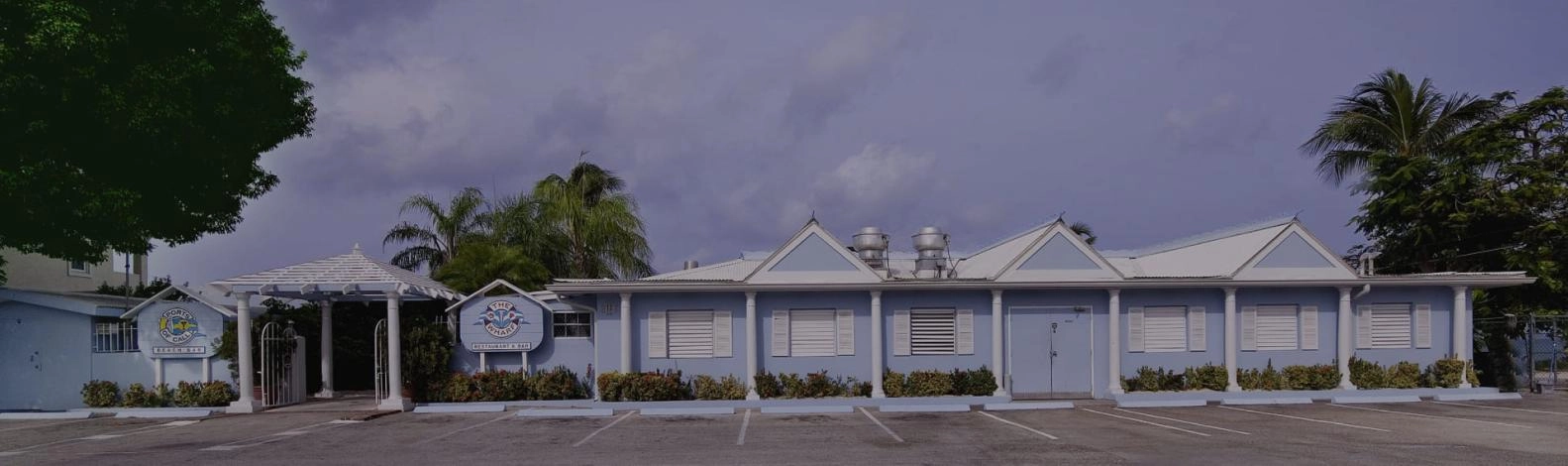
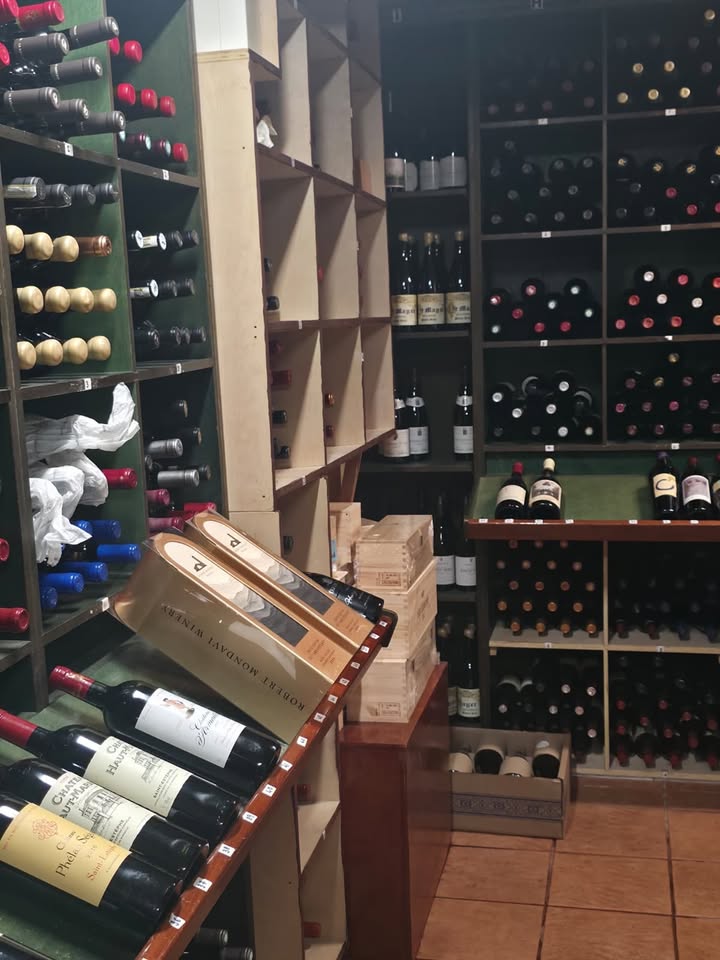
At a waterfront restaurant on the edge of the Caribbean Sea, an underground wine cellar is probably not the first thing you expect to find. Yet beneath The Wharf in Grand Cayman sits a cellar holding more than 1,000 wines by the bottle, ranging from familiar producers to mature vintages; large formats and bottles sourced for guests who enjoy looking beyond the standard restaurant wine list.
It is also a wine program that has been recognized by Wine Spectator since 2004.
The award is an important part of the story, but the more interesting question is what sits behind it. A cellar of this scale needs careful selection, people who understand what is inside it, and a food program that gives those wines a reason to be opened.
What Does a Wine Spectator Restaurant Award Recognize?
Wine Spectator reviews restaurant wine lists for the quality of producers represented, the accuracy of information such as vintages and appellations, the breadth of choice and how well the selection works with the restaurant’s cuisine and pricing.
Its Award of Excellence level calls for a well-chosen assortment of quality producers and enough choice to appeal to different wine drinkers. Higher award levels place greater weight on breadth across regions, vertical depth from significant producers, mature vintages, presentation and wine service.
That context matters when looking at The Wharf. Its wine program has received Wine Spectator recognition since 2004, while the cellar and list have continued to grow far beyond what most diners could reasonably work through in one evening.
Inside Grand Cayman’s Underground Wine Cellar
The Wharf describes its cellar as the only underground wine cellar in Grand Cayman.
For guests seated beside the water upstairs, that cellar represents a very different side of the restaurant. The current wine list runs to more than 1,000 selections by the bottle and covers a remarkable amount of ground.
More Than 1,000 Wines by the Bottle
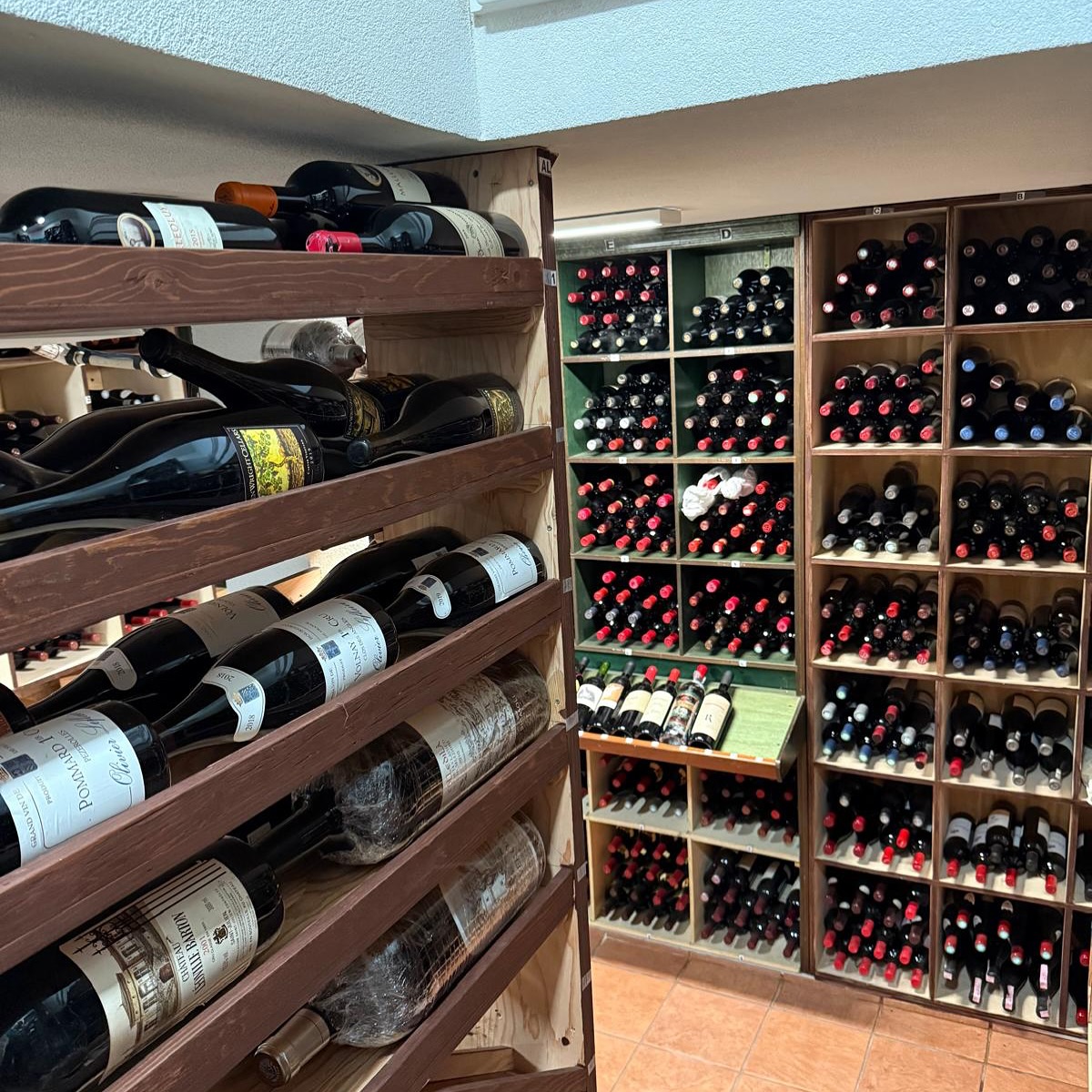
France has substantial representation across Bordeaux, Burgundy, Champagne, Rhône, Loire and other regions. Italy extends through Tuscany, Piemonte and several other wine-producing areas, while Spain, Germany and Portugal sit alongside New World regions from the United States, Australia, New Zealand, Argentina and South Africa.
The list is not limited to standard 750ml bottles either. Half bottles, large formats, Champagne, rosé, dessert wines and fortified wines broaden the options further.
Within those pages are producers and labels familiar to serious wine drinkers, alongside lesser-known growers and bottles that reward a little curiosity.
Meet the People Behind the Wine List
A cellar can have hundreds of impressive labels and still be difficult to enjoy if nobody helps guests make sense of it.
At The Wharf, that responsibility sits with a wine team led by Luciano de Riso, Wine Director, alongside Zakaria Charki, Sommelier, and trained service staff.
Guests can browse The Wharf’s full wine list before dinner but choosing from more than 1,000 bottles is another matter. This is where sommelier guidance becomes useful.
You may know that you like Burgundy but not which producer or vintage suits the evening. You may have chosen seafood and want something beyond the obvious pairing. Or perhaps the table wants to try a bottle nobody has ordered before.
The conversation can start with the food, a preferred grape, a region, a price range, or simply what everyone at the table normally enjoys.
Wine knowledge helps, but guests should not need a wine qualification to order well.
How The Wharf Approaches Food and Wine Pairing
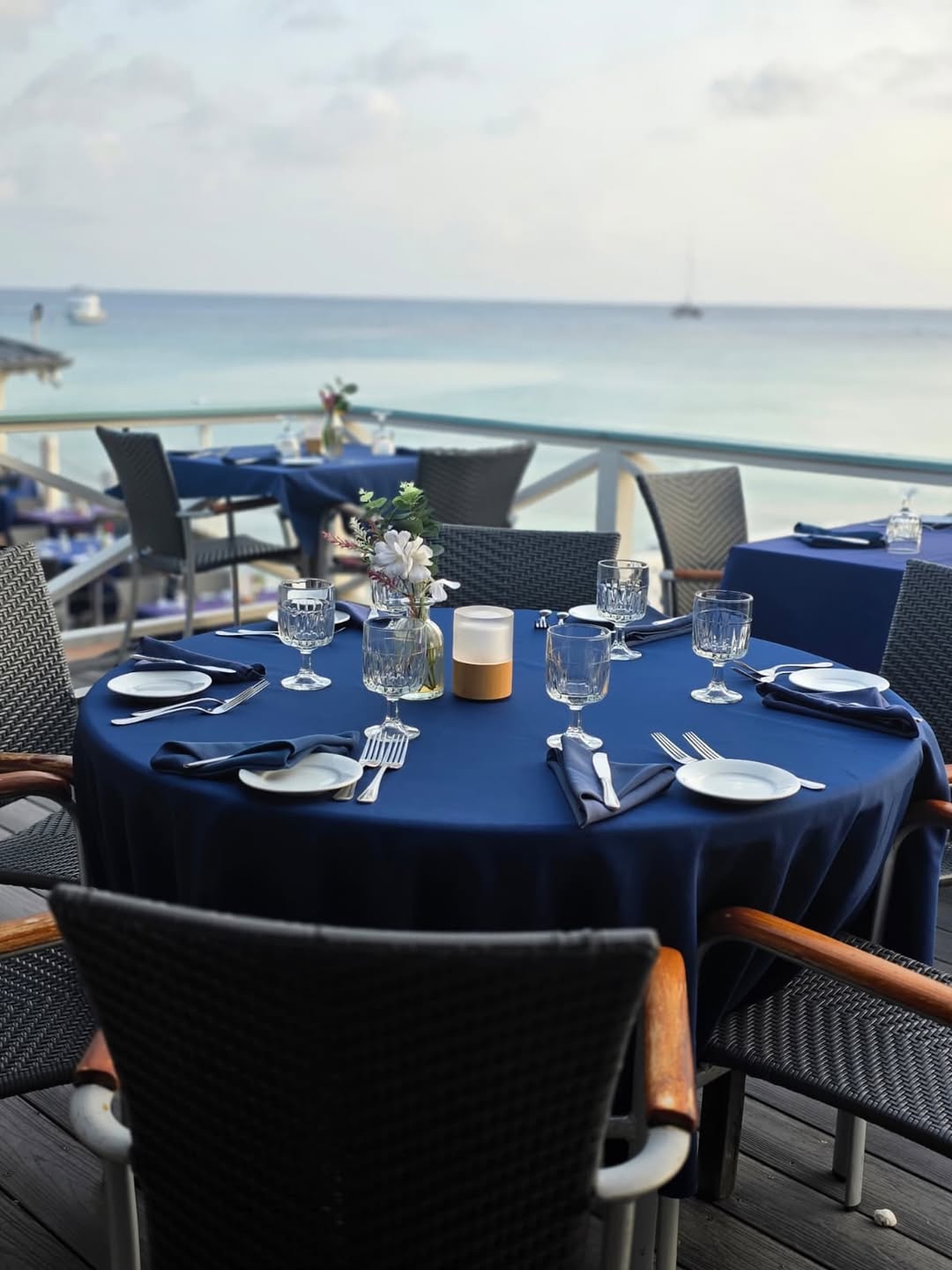
Traditional pairing rules can be useful starting points, but they rarely tell the whole story.
“White with fish” becomes less useful when one fish is served with a basil and pistachio crust, risotto and Champagne sauce, while another arrives as tuna sashimi with soy, ginger, scallions and sesame oil. The whole plate changes the pairing.
Start With More Than the Main Ingredient
Acidity, texture, richness, herbs, spices, sauces and preparation all affect how a wine behaves beside food. Personal preference matters too. The technically obvious bottle is not always the one a guest will enjoy most.
That is why The Wharf’s approach puts the kitchen and wine team in conversation rather than treating the wine list as something separate from dinner.
For readers interested in the subject, The Wharf’s existing guides on pairing seafood with wine and its wine-and-dinner combinations go deeper into matching bottles with particular dishes and occasions.
When the Pairing Becomes the Dinner
The restaurant takes this relationship further through its wine and food tasting experiences, where the chef and sommelier plan the food and wines together.
Rather than choosing dinner first and wine second, the two can be considered as one experience from the beginning.
A Closer Look at the Cellar Through a Wine-Focused Dinner
For guests who want more than a recommendation from the list, The Wharf offers customised wine and food tasting experiences, usually held in the cellar.
The experience can be shaped around food and wine preferences, dietary requirements, budget and timing, with rare fine wines incorporated where appropriate.
This changes the way the cellar is experienced. Instead of seeing 1,000-plus bottles as an enormous list to navigate, a guest can experience a smaller sequence of wines chosen with a purpose, each paired with food designed to sit beside it.
It can work particularly well for a celebration, a group of wine enthusiasts, or diners who simply want to spend an evening discovering wines they might not normally order. Guests interested in arranging a wine-focused dinner can contact The Wharf when making their reservation to discuss the available options.
More Than an Award on the Wall
Wine Spectator recognition may be the headline, but an award earned more than two decades ago would mean little if the work behind the wine program had stopped there.
The more telling details are still present today: an underground cellar, more than 1,000 wines by the bottle, a list stretching across established estates and smaller producers, and a wine team available to help turn that collection into part of dinner.
For some guests, that might mean Champagne by the water. For another table, an older Bordeaux may be the reason for the reservation. Others may leave the choice entirely to the sommelier.
That range of experiences is what makes the cellar interesting. The collection is substantial, but its purpose is still quite simple: the right bottle opened at the right table, with food that gives it somewhere to belong.
Browse The Wharf’s full wine list, or reserve a wine-focused dinner and speak with the team about creating a more personalised food and wine experience.
FAQ
Wine Spectator’s Award of Excellence recognizes restaurant wine lists with a well-chosen selection of quality producers that suits the restaurant’s cuisine and offers meaningful choices for wine drinkers. Wine Spectator also considers details such as accurate vintages and appellations and the presentation of the wine list.
The Wharf currently offers more than 1,000 wines by the bottle, covering major Old World and New World regions alongside rare wines, mature vintages and different bottle formats.
Yes. The Wharf’s current wine list names Luciano de Riso as Wine Director and Zakaria Charki as Sommelier. The wine team can help guests choose bottles based on the meal, personal preferences, and the type of experience they are looking for.
The Wharf is closed for its annual
SUMMER BREAK
From Friday, August 30th, 2024
We will reopen,
Wednesday, October 9th. We are available for any information or reservation
please contact us at
We will reply within 12 hours.
Grand Old House, our partner waterfront restaurant, is open throughout the summer, Contact us for reservations at info@grandoldhouse.com