

Seafood in the Cayman Islands just tastes better. Maybe it's because fish go from ocean to plate in hours instead of days. Perhaps it's something about Caribbean waters.
Whatever the reason, when you're eating this fresh, wine selection actually matters.
Most people believe that any white wine pairs well with fish. That's not really true, though. Grilled dishes need different bottles than fried ones. Butter sauces change the whole equation. Getting these pairings right makes a massive difference in how much you enjoy your meal.
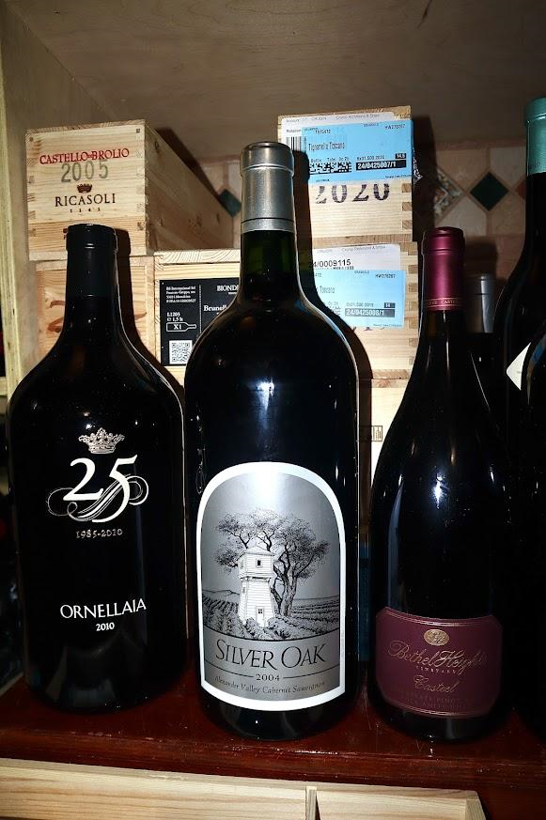
These seven pairings demonstrate what happens when premium wines get matched with the best seafood in Grand Cayman.
You can't visit Grand Cayman without eating conch fritters. They're everywhere for good reason. Local cooks have been making them forever. Tender conch gets chopped up and mixed with peppers, onions, and island spices that each restaurant guards like secrets. The whole thing is cooked in hot oil until the outside crisps up golden, while keeping the inside moist and tender.
Spanish Albariño from Rías Baixas is brilliant with these:
Serve it cold and watch how it cleans your palate. The fritter stays flavorful, the wine stays interesting. They make each other better somehow.
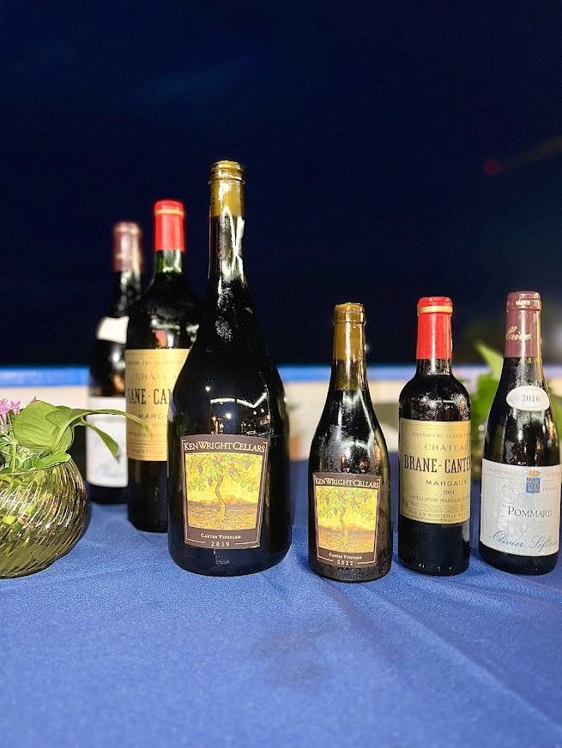
Red snapper dominates menus across the islands. There are legitimate reasons for that. When chefs sear it properly in a very hot pan with good butter and fresh herbs, the fish develops a delicate crust while remaining moist inside. The flavor remains mild and sweet. Flaky texture makes it easy to eat. Simple preparation is a sign of confidence in the ingredient.
French Sancerre from the Loire Valley works beautifully here:
Temperature actually matters here more than you'd think. Serve it too cold and flavors hide. Too warm, and it tastes flat. Around 48 degrees is the sweet spot. This pairing shows why French regions are famous for seafood wines.
Caribbean spiny lobster isn't like the Maine version most people know. The meat tastes sweeter. The texture is different too, firmer but still tender. Most island restaurants keep it simple, steaming with drawn butter. When you've got lobster this good, you don't need to do much else. Minimal prep shows the chef trusts their ingredients.
Austrian Grüner Veltliner surprises people:
Premium wines from Austria don't get enough attention. Grüner Veltliner delivers quality that matches expensive Burgundy but costs way less. That's the kind of value smart diners look for. The wine has enough personality to matter without stealing focus from the expensive lobster. You're paying for that lobster, so the wine should support it rather than compete.
Ceviche varies depending on what came off the boats that morning. Chefs dice raw fish and cure it in lime juice. Cilantro, onions, peppers get added. Sometimes tomatoes. The result tastes cold, bright, almost alive. Nothing beats good ceviche when you're somewhere warm with ocean views.
Chablis from Burgundy handles this dish exceptionally:
The wine works from the background. Makes everything taste more vibrant without demanding attention. Chablis walks that line perfectly. Both elements get their moment.
Turtle stew means something in Caymanian culture. It's not just another dish. Slow cooking builds deep flavors you don't find in lighter seafood. Vegetables and spices layer in during the long process. The finished stew has real weight to it. Needs a wine that won't get pushed around.
Rosé Champagne rises to the occasion:
This breaks conventional rules about white wine and seafood. But turtle stew isn't conventional seafood. It's hearty and rich and needs something with backbone. Champagne brings elegance while still having power.
Mahi-mahi brings more flavor than delicate fish varieties. Texture feels meatier, firmer. Takes high heat grilling really well. Most chefs grill it with olive oil, garlic, and Mediterranean herbs. Those char marks add smokiness. Bold preparation needs a wine with its own personality.
Italian Vermentino from Sardinia delivers:
Fish and wine both hold their ground here. Neither disappears. They complement instead of competing. The wine remains interesting throughout, while the fish retains its grilled character. This shows how bolder seafood opens doors to more assertive wine choices that would crush lighter preparations.
Fresh oysters need almost nothing. Half shell, lemon wedge, maybe some mignonette. That's it. The briny taste and silky texture are the whole point. Wine should respect that simplicity rather than compete with it.
Muscadet sur Lie from the Loire Valley stays classic:
This pairing lasted generations because alternatives don't work as naturally. One taste makes it obvious why. Wine and oyster feel like they belong together. The classics became classics for real reasons. Modern innovations haven't produced anything better with oysters.
Learning fundamentals makes restaurant ordering easier. Think about the cooking method first. Fried wants sharp acidity. Grilled pairs with fuller bottles. Raw needs crisp, mineral wines.
Sauces change everything:
Fish characteristics matter too. Mild fish gets gentle wines. Stronger fish take bolder choices. Shellfish usually pair well with lighter styles, though lobster's richness allows for a medium-bodied wine. Ask servers when you're unsure. Good places hire knowledgeable people to help with exactly these decisions.
Reading about pairings helps, but tasting reveals what actually happens. Understanding how Sancerre works with snapper is entirely different from experiencing both together in your mouth.
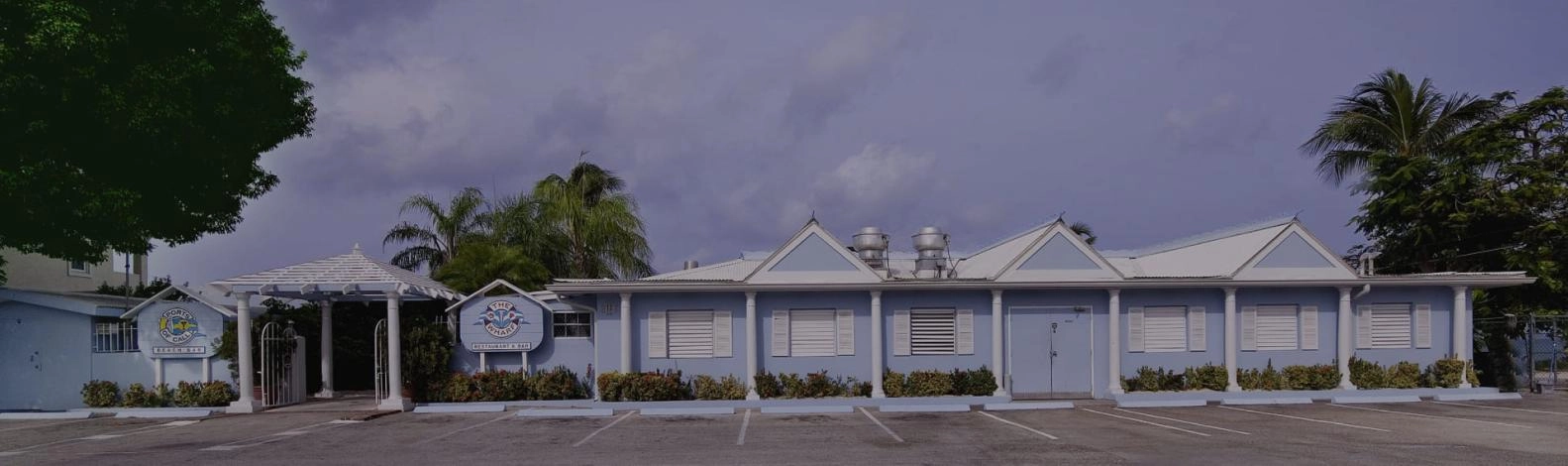
The Wharf matches daily catches with appropriate wines. The waterfront setting offers harbor views at sunset. Kitchen sources the best seafood in Grand Cayman, while the beverage program ensures that the selection complements your food.
Get a deck table during golden hour. Watch boats drift past between courses. Location, ingredients, and premium wines picked for seafood create nights you'll remember. Book ahead during busy times, as tables fill up quickly.
The Wharf is closed for its annual
SUMMER BREAK
From Friday, August 30th, 2024
We will reopen,
Wednesday, October 9th. We are available for any information or reservation
please contact us at
We will reply within 12 hours.
Grand Old House, our partner waterfront restaurant, is open throughout the summer, Contact us for reservations at info@grandoldhouse.com