

Seafood in Grand Cayman does not announce itself with drama. It earns attention quietly. A glance at the docks early in the morning tells you everything you need to know. Boats return. Fish is sorted. Menus begin to take shape long before diners arrive. By the time plates reach the table, the work has already been done.
This island has built its reputation on seafood that respects the source. Fish is fresh, handled carefully, and cooked with restraint. Lobster is seasonal and never rushed. Conch is treated as heritage, not trend. That is why conversations around the best seafood in Grand Cayman rarely revolve around hype. They revolve around consistency.
This blog breaks down what makes seafood here special, the styles of places that do it well, and how restaurants like The Wharf fit naturally into the island’s wider dining story. If you want to understand how seafood shapes Cayman dining, this is where to start.
Good seafood anywhere starts with freshness. In Grand Cayman, it goes further.
Seafood here does not travel far. Local fishermen supply snapper, grouper, tuna, wahoo, and lobster directly to kitchens across the island. Short supply chains mean better texture, cleaner flavour, and fewer reasons to overcook or mask the ingredient.
Cayman Islands cuisine values balance. Seafood is typically:
Heat from scotch bonnet peppers is present, but controlled. The goal is depth, not shock.
Lobster season is followed carefully. Conch harvesting is regulated. Many kitchens adjust their menus daily based on what arrives. This flexibility is one of the quiet strengths of a good grand cayman restaurant.
Seafood in Grand Cayman lives comfortably in two very different settings.
These are the meals locals grow up with and return to often.
Expect:
The focus here is familiarity. Recipes change little. Portions are generous. The atmosphere is relaxed and unforced.
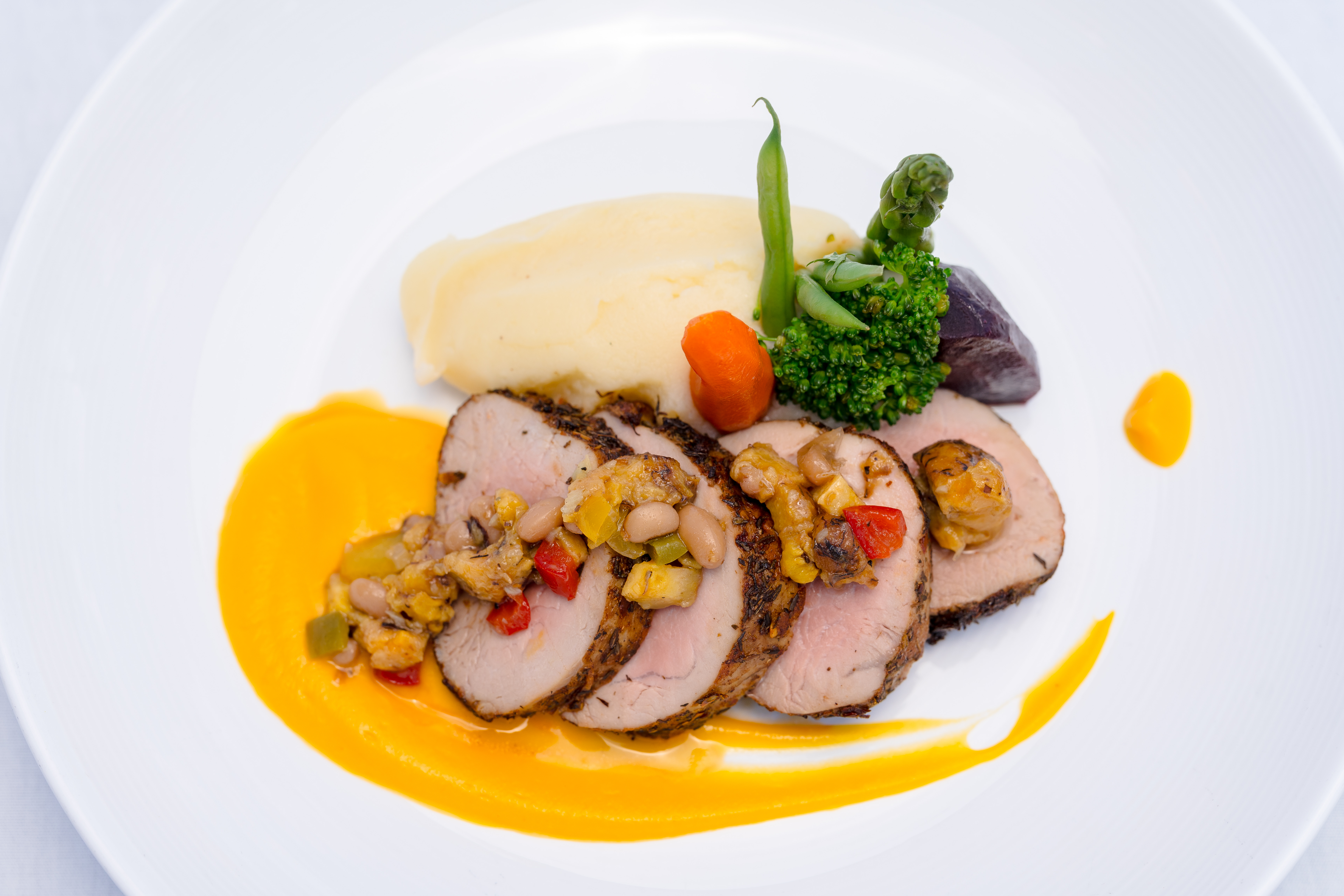
At the other end of the spectrum are restaurants that place seafood within a slower, more deliberate experience.
These settings introduce:
Both approaches matter. Traditional kitchens protect flavour memory. Refined dining elevates technique. Together, they explain why Cayman Islands cuisine feels complete rather than divided.
The best seafood is explored further in our earlier guide on Cayman Islands cuisine, where traditional dishes and modern interpretations are placed side by side.
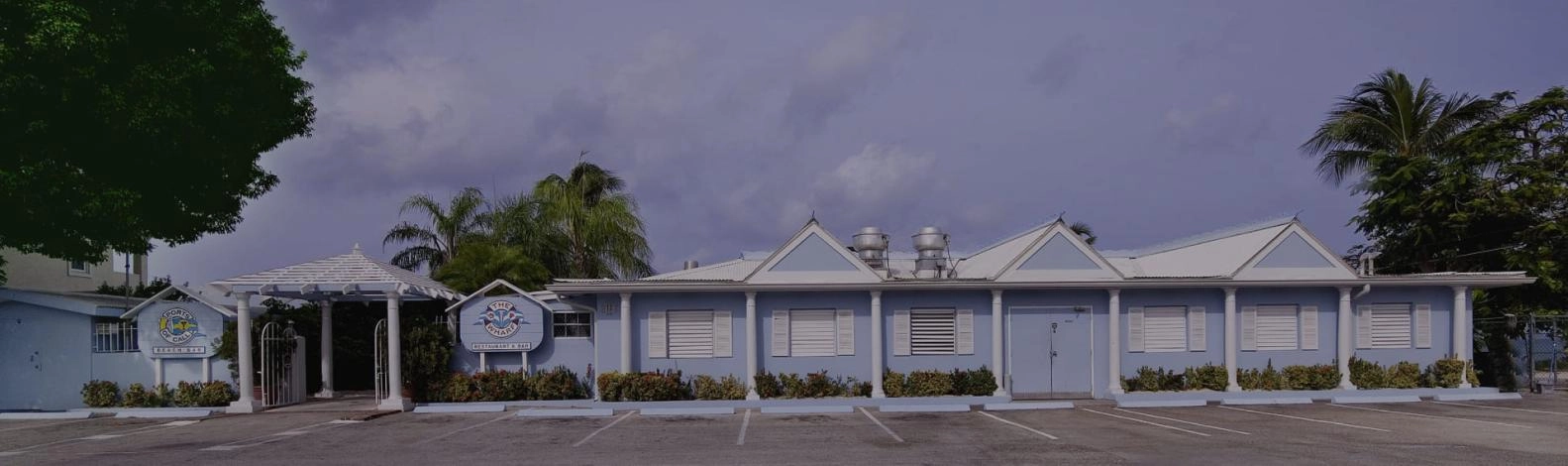
When people talk about eating seafood by the sea in Grand Cayman, The Wharf enters the conversation naturally.
The restaurant’s approach to seafood is grounded in restraint. Local fish remains the focus. Preparation supports texture rather than distracting from it. Lobster, when available, is treated simply. Sauces enhance without dominating.
What distinguishes The Wharf is how closely the dining experience is tied to its setting.
One of the most recognisable features of the experience is the nightly tarpon feeding. As evening settles in, large tarpon gather beneath the dock. Guests watch from above as the fish surface. It is not staged or scheduled for effect. It is part of the environment.
For many visitors, this moment becomes inseparable from the meal itself.
The Wharf also reflects how a grand cayman restaurant can evolve with its audience. It accommodates large gatherings, celebrations, and relaxed dinners while remaining anchored in seafood and setting.
A menu can be long, and seafood can show up in dozens of forms. If you want dishes that genuinely reflect the island, look for these.
Often snapper or grouper, cooked with onions, peppers, herbs, and a sauce that leans tomato or coconut depending on the kitchen. The dish should taste bright and savoury, not heavy.
Conch is easy to ruin when it is overcooked. When it is done well, it stays tender.
Common preparations include:
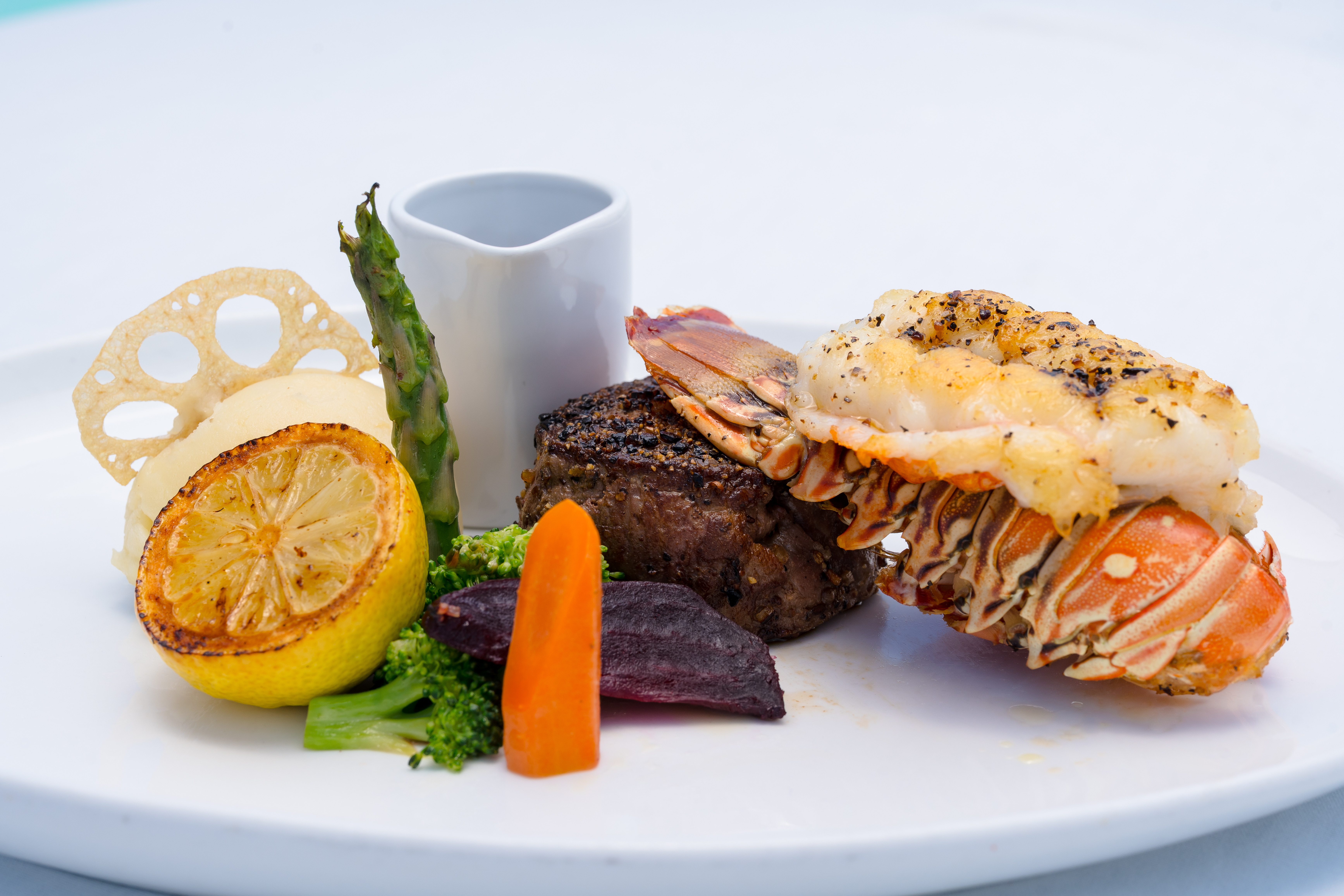
In season, lobster is often grilled, split, or served with butter and herbs. The best versions do not hide behind thick sauces. The meat should stay sweet.
These fish often show up seared, grilled, or sliced thin. When the kitchen is confident, seasoning remains light and the texture is allowed to shine.
The Wharf is a strong reference point, but it represents only one side of the island’s seafood story.
Across Grand Cayman, visitors will find:
Across all of them, one expectation remains consistent. Seafood should taste like where you are.
You do not need to be an expert to choose well. A few signals usually tell the truth.
If the seafood list is enormous and never changes, that can be a warning sign. Places that buy locally often rotate fish based on availability.
Ask what fish came in most recently. If the answer is clear and specific, you are usually in a good place.
Good restaurants talk about preparation, texture, and sourcing. They do not lean only on buzzwords.
Quick checks that help:
Grand Cayman’s rise as a respected food destination did not happen overnight. Seafood led the way.
Local cooks refined technique. Restaurants invested in relationships with fishermen. Menus became more deliberate. Over time, the island moved from being known simply for beaches to being recognised for food that stands on its own.
Whether you are eating conch fritters at a casual spot or lobster beside the sea, the best seafood in Grand Cayman follows the same principles. Freshness leads. Technique supports. The island remains present in every bite.
Seafood here is not driven by trends. It follows rhythm. Boats leave early, kitchens adapt, diners arrive as the sun lowers. That continuity is what makes Grand Cayman one of the Caribbean’s most rewarding places to eat.
If you want one final piece of advice, keep it simple. Order what the island does best, and let the sea do the rest.
The Wharf is closed for its annual
SUMMER BREAK
From Friday, August 30th, 2024
We will reopen,
Wednesday, October 9th. We are available for any information or reservation
please contact us at
We will reply within 12 hours.
Grand Old House, our partner waterfront restaurant, is open throughout the summer, Contact us for reservations at info@grandoldhouse.com